POLITICS
Senate Proposes Six-Month Jail Term, ₦300,000 Fine for Hospitals That Reject Emergency Patients

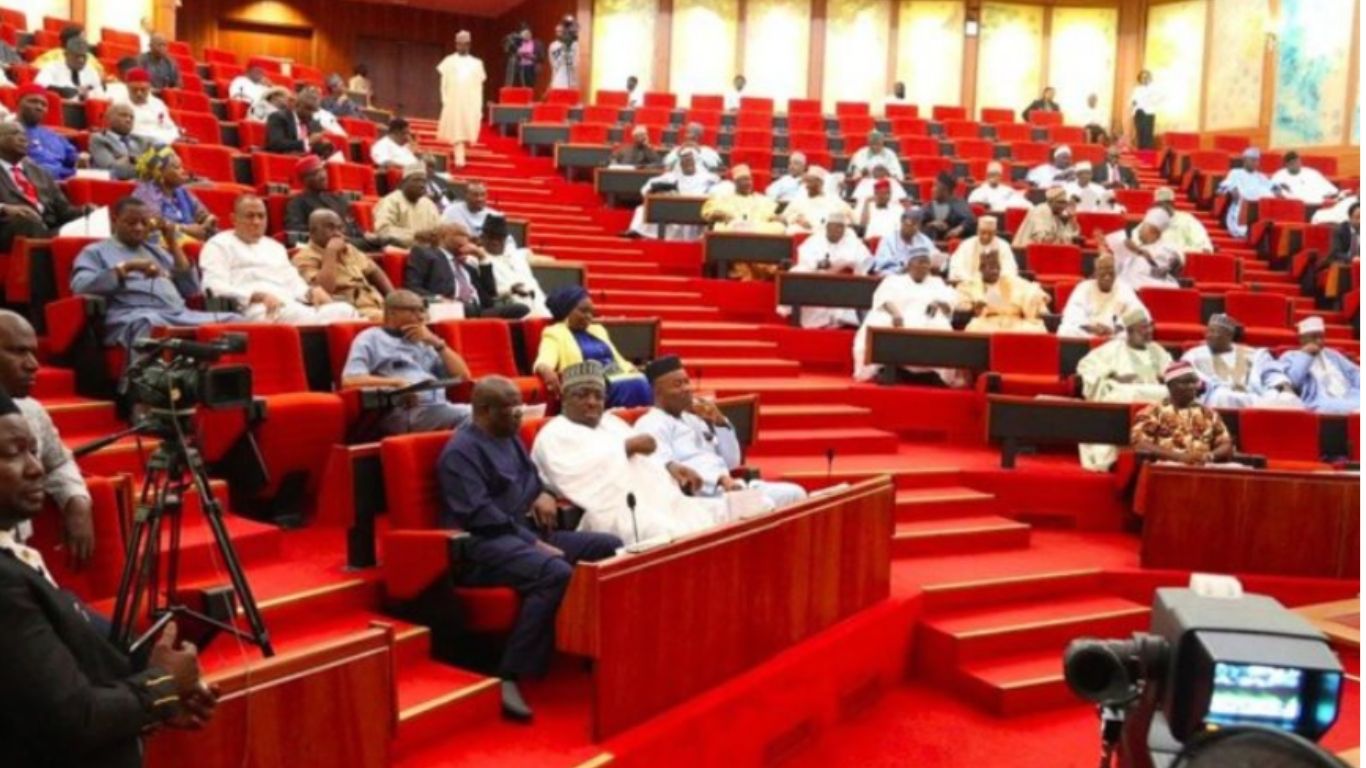
Senate Proposes Six-Month Jail Term, ₦300,000 Fine for Hospitals That Reject Emergency Patients
The Nigerian Senate has passed for second reading a bill seeking to impose a six-month jail term, a fine of up to ₦300,000, or both on hospitals and healthcare workers who refuse or delay emergency medical treatment.
The proposed legislation is designed to strengthen enforcement of patients’ rights and establish clear timelines for emergency assessment, initial treatment and referral across public and private healthcare facilities.
Sponsored by Senator Abdulaziz Musa Yar’Adua, representing Katsina Central, the bill seeks to amend the National Health Act, 2014, by introducing enforceable standards for emergency medical services.
The Senate approved the bill for second reading during Wednesday’s plenary, November 4, following a debate led by its sponsor. Senate President Godswill Akpabio subsequently referred it to the Senate Committee on Tertiary and Primary Health for further legislative scrutiny and a public hearing.
Hospitals to assess emergency patients within 15 minutes
Under the proposed amendment, hospitals licensed to provide emergency medical services would be required to commence triage and initial assessment within 15 minutes of a patient’s arrival.
Where a licensed medical doctor is unavailable, a trained and certified nurse would be permitted to conduct the initial assessment.
The bill further requires healthcare facilities to begin basic stabilisation within 30 minutes. Such measures include oxygen therapy, intravenous fluids, pain relief and preliminary diagnostic procedures.
ALSO READ : Atiku Challenges Senate Over Tinubu’s ₦10.79trn Loan Request, Demands Full Disclosure
For patients with life-threatening conditions, hospitals would be expected to commence immediate interventions, including cardiopulmonary resuscitation, airway management and bleeding control.
The proposed provisions are intended to prevent avoidable deaths arising from administrative delays, inadequate emergency response and the refusal of healthcare providers to attend to patients requiring urgent medical attention.
Three-hour deadline for emergency referrals
The legislation also proposes specific timelines for hospital admissions and referrals.
Where an emergency patient requires admission, the hospital would be required to assign a bed within two hours, provided one is available.
However, facilities without available beds would still be required to stabilise the patient and commence referral arrangements within two hours of arrival or as soon as the patient is clinically assessed and considered stable for transfer.
Hospitals would also be required to begin ambulance dispatch or arrange alternative transportation within 30 minutes of deciding to refer a patient.
The proposed amendment stipulates that the transfer process should be completed within three hours, except where circumstances beyond the facility’s control make compliance impossible.
These provisions are intended to prevent situations in which patients are moved from one hospital to another without receiving adequate stabilisation or coordinated medical assistance.
Healthcare workers face mandatory certification
Beyond penalties, the bill seeks to improve the competence of personnel responsible for emergency medical care.
It proposes that the Medical and Dental Council of Nigeria and the Nursing and Midwifery Council of Nigeria jointly develop and maintain a standardised national emergency care curriculum.
Healthcare workers involved in emergency treatment would be required to undergo relevant training and certification at intervals not exceeding 18 months.
The proposal also recognises that hospitals may sometimes face genuine resource limitations. Healthcare practitioners who cannot meet prescribed requirements because of such constraints would be expected to document the circumstances, follow established referral procedures and notify hospital management or the appropriate authority.
Senators back proposal amid concerns over preventable deaths
Supporting the bill, Senate Whip Mohammed Monguno said the proposed amendment could help address avoidable deaths arising from road accidents, maternal emergencies and other medical crises.
He criticised healthcare providers who allegedly neglect emergency patients, arguing that delays in providing urgent treatment could turn otherwise manageable medical situations into fatal incidents.
The proposal has also renewed discussions about the practice of hospitals demanding deposits, police reports or administrative documentation before attending to emergency patients.
Other lawmakers have stressed the need to ensure that the legislation addresses genuine institutional failures without unfairly criminalising medical professionals working in facilities with inadequate personnel, equipment or infrastructure.
House of Representatives considers separate legislation
The Senate proposal comes as the House of Representatives is also considering a separate bill seeking to strengthen emergency medical treatment standards.
Sponsored by Akin Rotimi, the House spokesperson, the proposed amendment seeks to empower regulators to impose financial penalties, suspend operating licences and potentially shut down hea